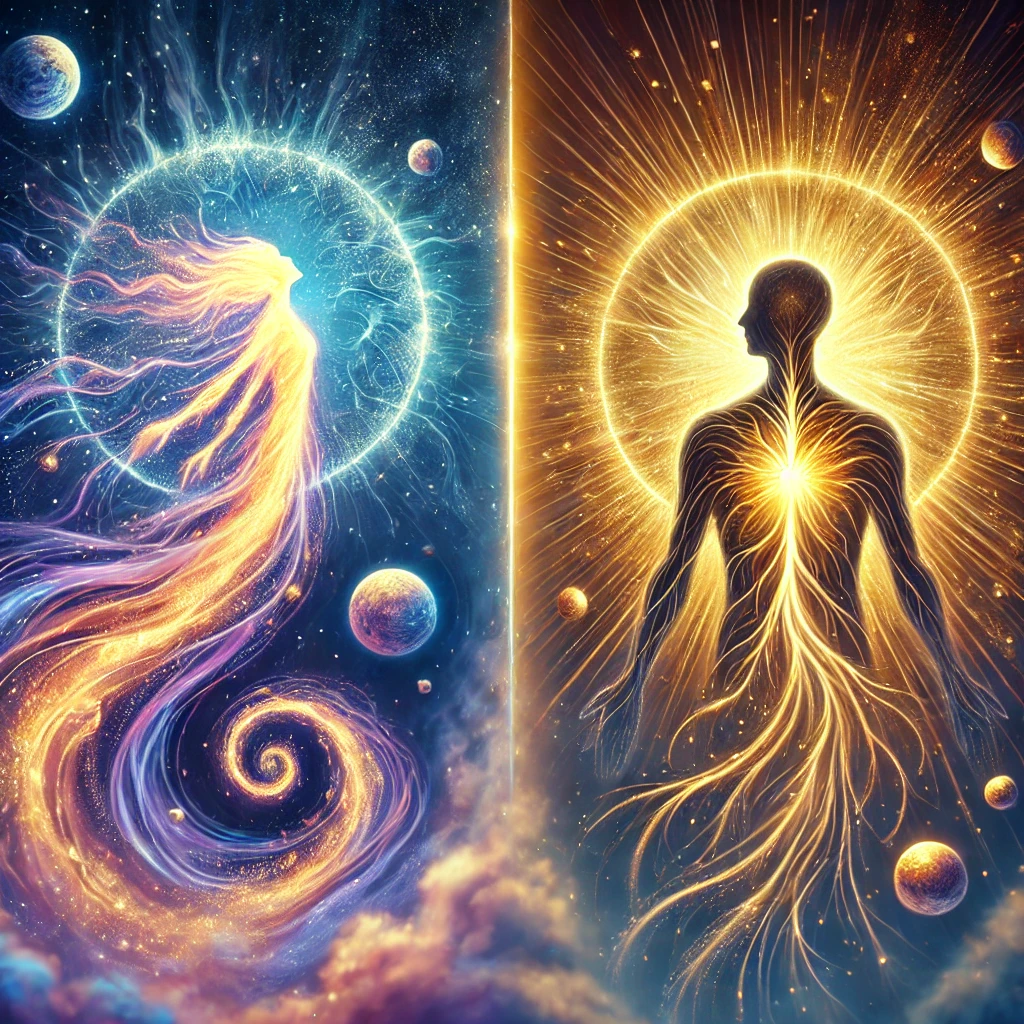
Throughout history, philosophers, theologians, and spiritual seekers have sought to understand the intricate nature of human existence. Among the many mysteries debated, the distinction between the soul and the spirit has been one of the most profound and nuanced. Though the two terms are often used interchangeably in casual conversation, they hold distinct meanings in various religious, philosophical, and cultural contexts. Let’s explore these differences in depth.
Defining the Soul
The soul is generally regarded as the essence of a person—their individuality and core being. It encompasses a person’s emotions, personality, and moral conscience. The soul is often seen as the seat of human experience, where thoughts, feelings, and memories reside.
Key Characteristics of the Soul:
- Individual Identity: The soul is what makes each person unique. It holds personal experiences, desires, and character traits.
- Seat of Emotions and Will: It’s associated with feelings, choices, and one’s moral compass.
- Temporal and Eternal Aspect: In many traditions, the soul is immortal and continues after physical death, but it is deeply tied to one’s earthly life and experiences.
- Connection to the Body: The soul often operates in conjunction with the physical body, reflecting one’s mental and emotional states.
Soul in Religious Contexts:
- Christianity: The soul represents a person’s unique, immortal essence. It’s judged after death based on one’s actions and faith.
- Hinduism and Buddhism: The soul (often referred to as the Atman) is seen as eternal but is subject to cycles of rebirth (samsara) until it attains liberation (moksha or nirvana).
- Islam: The soul (nafs) undergoes spiritual purification to align with divine will and is accountable for actions in the afterlife.
Understanding the Spirit
The spirit is often considered the divine or eternal aspect of a person, connected directly to a higher power or universal consciousness. It represents the life force or breath that animates the body and transcends individuality.
Key Characteristics of the Spirit:
- Connection to the Divine: The spirit is seen as a bridge between the human and the divine, linking individuals to God, the universe, or ultimate reality.
- Universal Nature: Unlike the soul, which is highly individual, the spirit is often described as universal and unchanging.
- Source of Vitality: The spirit is viewed as the life force that sustains a person’s physical and metaphysical existence.
- Transcendent Purpose: It is associated with higher understanding, purpose, and the quest for spiritual enlightenment or union with the divine.
Spirit in Religious Contexts:
- Christianity: The spirit is the part of a person that connects with God. The Holy Spirit is believed to guide, empower, and sanctify believers.
- Hinduism: The spirit aligns with the concept of Brahman, the ultimate reality, suggesting that all individual spirits are manifestations of a single divine source.
- Indigenous Traditions: The spirit often represents ancestral wisdom, the forces of nature, or the interconnectedness of all living things.
Comparing the Soul and the Spirit
| Aspect | Soul | Spirit |
| Nature | Personal and individual | Universal and transcendent |
| Function | Seat of emotions, personality, and morality | Source of life force and connection to the divine |
| Focus | Concerned with earthly life and personal growth | Oriented toward higher purpose and enlightenment |
| Religious Role | Subject to judgment, karma, or reincarnation | Channel for divine guidance and spiritual vitality |
| Symbolism | Represents human identity | Represents divine spark or breath of life |
Why the Distinction Matters
Understanding the difference between the soul and the spirit can deepen one’s spiritual journey and foster greater self-awareness. While the soul helps us navigate the human experience, the spirit calls us toward higher truths and universal love. By nurturing both, we can strive for a harmonious balance between our earthly and divine natures.
Practical Reflections:
- Soul Care: Reflect on your emotions, choices, and personal growth. Practices like journaling, therapy, and moral reflection help nurture the soul.
- Spiritual Growth: Seek moments of transcendence through meditation, prayer, or connection with nature to strengthen your spirit.
Conclusion
The soul and the spirit are two interconnected yet distinct aspects of our being. The soul represents our personal essence and the journey of human life, while the spirit embodies our eternal connection to something greater. By exploring these dimensions, we gain a richer understanding of ourselves and our place in the universe, enabling us to live more purposefully and authentically.
What are your thoughts on the soul and the spirit? Have you experienced moments where you felt deeply connected to one or the other? Share your insights in the comments below!
have you ever wondered about the parallels between the beginning of life and the end of life? If so, click here to learn more https://manifestjoywithcoy.com/spiritual-connection-between-babies-and-the-elderly/