When most people think of meditation, they picture someone sitting in stillness, eyes closed, focusing on their breath or clearing their mind. While this traditional approach resonates for some, meditation is far more diverse than it may seem at first thought. What helps one person find inner calm might feel unnatural or even frustrating for another. The key is understanding that meditation isn’t one-size-fits-all—it’s about finding a practice that resonates with you and supports your unique needs.
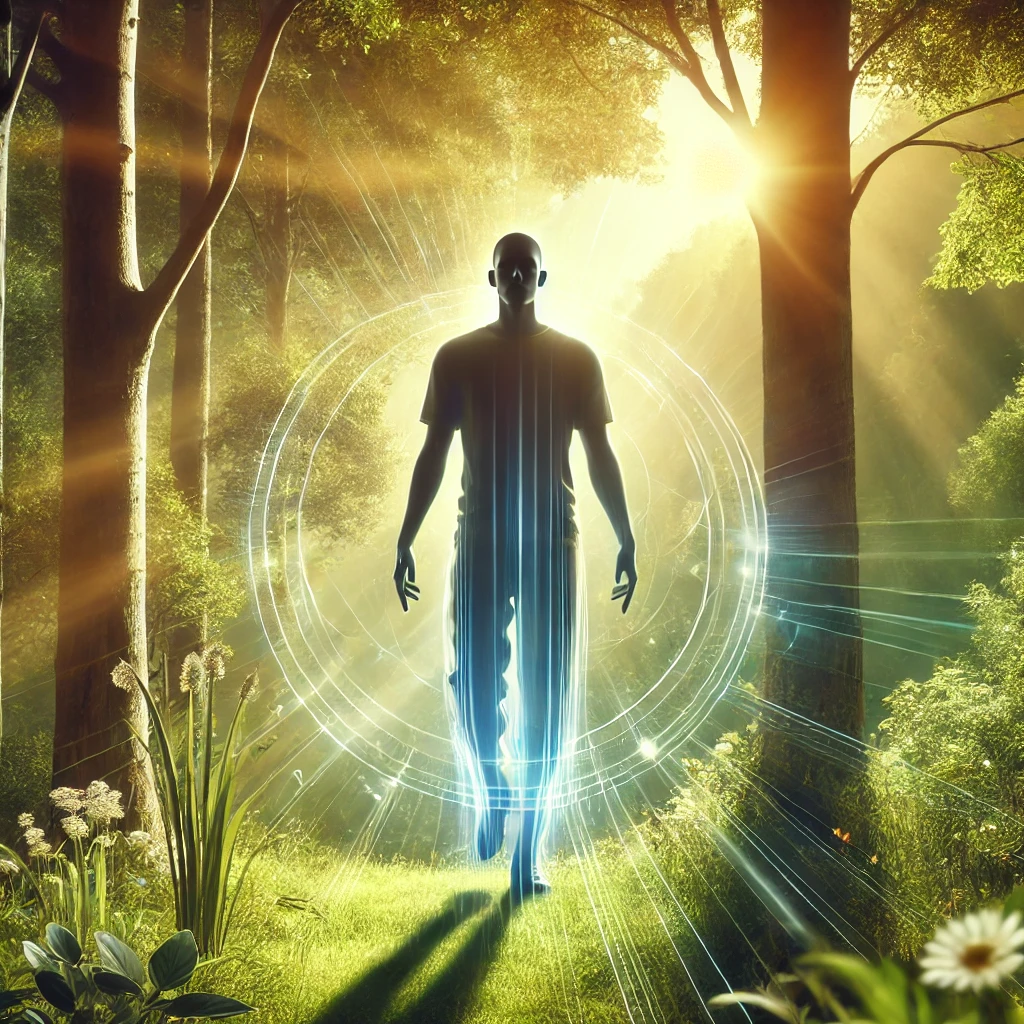
If sitting in silence doesn’t feel right, consider exploring active meditations—practices that involve movement, sound, or engaging the senses. These techniques allow you to cultivate mindfulness and inner peace while staying physically active.
Here’s a list of 20 active meditations to help you discover what works best for you:
1. Walking Meditation
This practice involves slow, mindful walking, focusing on the sensations of each step. It’s a great way to ground yourself while staying physically active.
2. Qigong
A Chinese practice combining gentle, flowing movements with deep breathing to cultivate life energy (qi) and promote calm.
3. Tai Chi
Often called “meditation in motion,” Tai Chi is a martial art that involves slow, deliberate movements designed to harmonize body and mind.
4. Dynamic Meditation (Osho)
This unique practice includes phases of chaotic breathing, cathartic movement, mantra chanting, stillness, and free-form dancing.
5. Dance Meditation
Let go and move to the rhythm of music. Dance meditation allows for free expression and releases pent-up energy, promoting joy and clarity.
6. Yoga
Combining physical postures, breathing techniques, and mindfulness, yoga helps unify the body, mind, and spirit.
7. Sound Meditation (Chanting or Mantra)
Chanting sounds like “Om” or repeating mantras can help calm the mind and create a deep sense of focus and peace.
8. Kundalini Meditation
A structured sequence involving shaking, dancing, and silent stillness to awaken inner energy and release emotional blockages.
9. Labyrinth Walking
Walking a labyrinth path can be a powerful meditative practice, offering a physical journey for contemplation and inner exploration.
10. Forest Bathing (Shinrin-Yoku)
Immerse yourself in nature, using your senses to fully experience the sights, sounds, and smells of the forest.
11. Breathwork (Active Styles)
Techniques such as circular or holotropic breathing can induce a meditative state, helping to release emotions and enhance clarity.
12. Gardening Meditation
Engage in planting, pruning, or watering with full mindfulness. Gardening connects you to nature while grounding your energy.
13. Martial Arts (Meditative Styles)
Disciplines like Aikido or Kung Fu, practiced with mindfulness and flow, offer a moving meditation experience.
14. Trataka (Candle Gazing)
Fix your gaze on a candle flame to develop focus and mental stillness.
15. Five Rhythms Movement
This meditative dance practice takes you through five rhythms—flowing, staccato, chaos, lyrical, and stillness—each offering unique emotional and physical expression.
16. Biking or Running Meditation
Use the repetitive motion and rhythm of biking or running to enter a meditative flow state.
17. Sufi Whirling
Spin in circles as practiced by Sufi mystics to enter a trance-like state and connect with divine energy.
18. Household Chores as Meditation
Washing dishes, sweeping, or folding laundry can become meditative when done with mindfulness and full presence.
19. Swimming Meditation
Focus on the rhythm of your strokes and breathing while gliding through the water.
20. Box Breathing with Movement
Synchronize simple movements with controlled breathing: inhale, hold, exhale, hold. This can calm the mind and energize the body.
Finding What Feels Aligned
Though I find that traditional meditation works best for me, I have also explored these other forms of meditation either unintentionally or out of curiosity. Meditation is a deeply personal journey. The best practice is the one that feels aligned with your body, mind, and spirit. By experimenting with different active meditations, you can find the approach that resonates most with you. Whether it’s a flowing Tai Chi sequence, the rhythm of a walk in nature, or even mindful gardening, trust that the right practice will meet you exactly where you are.
Take time to explore, and remember: the goal of meditation is not perfection but connection—to yourself, your environment, and the present moment.
Constantly seeing the same animal, or dreaming about them repeatedly? Perhaps this is your spirit animal trying to communicate a message to you. To learn more click here https://manifestjoywithcoy.com/spirit-animal-guidance/